
USAA Data Breach Settlement: Where Is Your Money Now?
If you were caught up in the USAA data breach back in 2021, the class-action settlement has already moved through the court system — and if you filed your claim in time, your payout could be on its way. USAA agreed to a $3.25 million settlement to resolve the lawsuit, the final court approval hearing took place in May 2025, and payments are now expected to be distributed in the coming months.
Here’s the full breakdown of the USAA data breach settlement — what happened, who qualified, how much people are getting, and what to do right now whether you filed or missed the window entirely.
Table of Contents
USAA Data Breach Settlement — At a Glance
- What it is: A $3.25 million class-action settlement tied to a May 2021 cyberattack
- People affected: Approximately 22,000 to 22,646 individuals
- Estimated individual payout: Between $95 and $143.51
- Claim submission deadline: April 7, 2025 — now closed
- Final approval hearing: May 21, 2025 — completed
- Estimated payment window: Late 2025 to Early 2026 — payments expected now
- Official website: USAADataSettlement.com
- Case number: 7:21-cv-05813
The claims window is closed, but if you filed before April 7, 2025, your payment should be processing. If you missed the deadline, your options are limited — but there are still steps worth taking, and we’ll cover those below.
What Actually Happened? The May 2021 USAA Data Breach Explained

On or around May 6, 2021, USAA discovered a vulnerability in their online insurance quotation system. And the way it was exploited is genuinely clever — and pretty unsettling.
Here’s how it worked: attackers used names and birth dates pulled from unrelated previous data breaches elsewhere on the internet. They fed that information into USAA’s insurance quote system, which was designed to auto-populate forms by pulling data from motor vehicle records. Basically, the tool that was supposed to make things easier for customers ended up being the door that hackers walked right through.
What got exposed? Primarily driver’s license numbers — which are a goldmine for identity thieves. On top of that, names, home addresses, and dates of birth were also potentially compromised for affected members.
Around 22,000 people were impacted. That’s a much smaller number than some of the mega-breaches you hear about, but for those individuals, the risk of identity theft was very real.
One important thing to note: this settlement is completely separate from a different USAA incident that happened in April 2024, which involved a system error affecting around 32,000 members. That’s a different situation entirely — so don’t mix the two up.
Did You Qualify? The Eligibility Breakdown
To have been part of the settlement class, you needed to be a U.S. resident whose personal information was compromised specifically in the May 2021 breach.
Most eligible members received a Notice ID and Confirmation Code either by email or physical mail before the claims deadline. If you received one of those and filed your claim before April 7, 2025, you’re in good shape — your payment should be in the pipeline.
If you never received a notice, it most likely means you weren’t on the official class list compiled during USAA’s forensic investigation. In that case, you were probably not eligible for this particular settlement.
And just to be clear one more time: the April 2024 USAA system error that affected 32,000 members is a completely separate incident. This settlement only covers the May 2021 cyberattack.
USAA Data Breach Payout: How Much Are People Actually Getting?
Let’s be real — this was never going to be a life-changing amount. But it’s real money for a few minutes of effort.
Individual payouts from the USAA data breach settlement are projected to land somewhere between $95 and $143.51. Here’s how that number was calculated:
- The gross settlement fund is $3.25 million
- Attorney fees take up to $1.08 million of that
- Administrative costs come out next
- Lead plaintiff Vincent Dolan received a service award of up to $10,000
- Whatever remains — the Net Settlement Fund — gets divided equally among all valid claimants
The USAA data breach lawsuit uses a pro-rata distribution, meaning everyone who filed a valid claim gets an equal share. No tiers, no documentation required — just a valid claim form submitted before the deadline.
Where Things Stand Now — The Settlement Timeline
| Milestone | Date | Status |
|---|---|---|
| Data breach occurred | May 2021 | Confirmed |
| Claim submission deadline | April 7, 2025 | Closed |
| Final approval hearing | May 21, 2025 | Completed |
| Estimated payment window | Late 2025 / Early 2026 | In progress now |
We’re now in 2026, which means payments should either be going out or arriving very soon for valid claimants. Typically settlements like this distribute funds 60 to 90 days after final court approval — putting the payment window squarely in the period we’re in right now.
Already Filed? Here’s How to Check Your Payment Status

If you submitted your USAA data breach settlement claim before the April 7, 2025 deadline, here’s what to do right now:
Step 1 — Check the Official Portal
Visit USAADataSettlement.com and log in using your Claim ID and the email address you used when filing. The portal should show you the current status of your claim and payment.
Step 2 — Confirm Your Payment Method
When you filed, you selected one of the following payment options:
- Mailed check
- Direct deposit
- PayPal
- Venmo
Make sure the account or address you provided is still active and accurate. If something has changed, contact the settlement administrator — the Angeion Group — as soon as possible.
Step 3 — Watch for Your Payment
Based on the May 2025 final approval hearing, payments should be actively going out now or in the very near future. Keep an eye on your selected payment method and check the portal regularly for updates.
Missed the Deadline? Here’s What You Can Still Do
If you didn’t file before April 7, 2025, the honest truth is that your options for this settlement are essentially gone. Late claims are generally not accepted once the window closes and the court has approved the final distribution.
That said, if you believe you had a genuinely exceptional circumstance — like you never received any notice despite being confirmed as affected — it’s still worth reaching out to the Angeion Group directly. They handle edge cases on a case-by-case basis and there’s no harm in asking.
What you absolutely should still do, even without a payout, is protect yourself going forward — which brings us to the most important section of this whole article.
Protect Yourself Right Now — This Matters More Than the Payout
The settlement money is nice, but your personal data is still out there. Driver’s license numbers, names, addresses, and birth dates don’t expire — and neither does the risk that comes with having them exposed. Here’s what you should be doing in 2026 if you were affected:
Freeze Your Credit
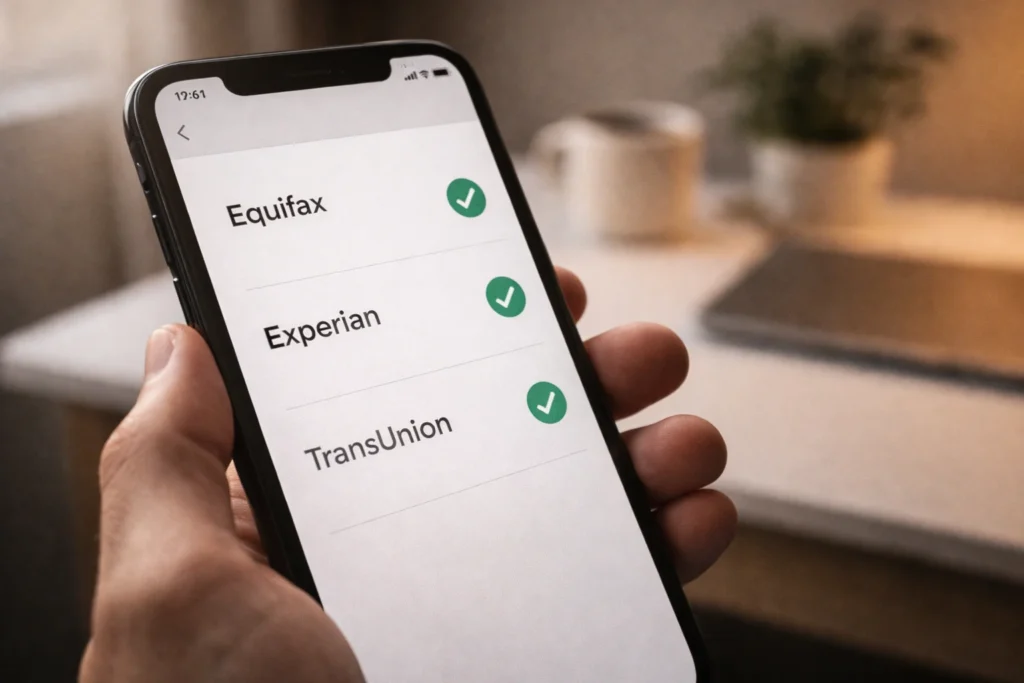
A credit freeze is free, takes about ten minutes, and stops anyone from opening new credit accounts in your name even if they have your personal information. Do it at all three major bureaus: Equifax, Experian, and TransUnion. It’s the most effective single action you can take after an exposure involving identifying documents like driver’s license numbers.
Monitor Your Financial Accounts
Set up real-time transaction alerts on all your bank and credit card accounts. Review your statements regularly and flag anything unfamiliar — even small charges, since fraudsters often test accounts with tiny amounts before going bigger. You can also pull your free credit reports at AnnualCreditReport.com to check for accounts or inquiries you don’t recognize.
Enroll in Identity Monitoring If You Haven’t Already
If USAA offered complimentary identity monitoring services like Experian IdentityWorks as part of their breach response, check whether your subscription is still active. These services watch for your information appearing in suspicious places and alert you before serious damage is done. You can learn more about how identity monitoring works through the Federal Trade Commission’s identity theft resource center.
Stay Sharp About Phishing Scams
Scammers love to ride the wave of settlement news. You might still get emails in 2026 pretending to be from the settlement administrator asking you to “verify your payment details” or “resubmit your claim.” The real Angeion Group will not cold-contact you asking for sensitive information. If anything looks suspicious, go directly to USAADataSettlement.com instead of clicking any links. For help spotting and reporting scams like these, IdentityTheft.gov is a solid government resource.
Frequently Asked Questions About the USAA Data Breach Settlement
Is the USAA data breach settlement legitimate?
Yes, completely. This is a fully court-approved settlement tied to Case No. 7:21-cv-05813. The settlement administrator is the Angeion Group and the official portal is USAADataSettlement.com. The final approval hearing was completed in May 2025 and payments are now in the distribution phase.
What if I didn’t get a notice?
If you never received a Notice ID or Confirmation Code, it likely means you weren’t on the official class list from USAA’s forensic investigation. That means you were probably not eligible for this settlement. You can still check at the portal or contact the Angeion Group to confirm.
How do I check my claim status?
Log into USAADataSettlement.com using your Claim ID and the email address you used when filing. The portal will show you your current claim and payment status.
Is this the same as the 2024 USAA breach?
No. The April 2024 USAA incident was a completely separate system error affecting around 32,000 members. This settlement only covers the May 2021 cyberattack on the insurance quotation system.
When will payments actually arrive?
Payments are being distributed now. Based on the May 21, 2025 final approval hearing and the standard 60 to 90 day processing window, valid claimants should be receiving their payments in late 2025 or early 2026 — right now, in other words.
The Bigger Picture — What the USAA Data Breach Lawsuit Teaches Us
The USAA data breach lawsuit is a good reminder that some of the most damaging breaches don’t come from direct attacks on core systems. In this case, it was a convenient customer-facing feature — an auto-fill tool in an insurance quote form — that became the vulnerability.
Attackers didn’t need sophisticated tools. They used personal information already circulating from other breaches to trick a legitimate system into revealing more data. This technique, often called credential stuffing or data enrichment abuse, is increasingly common and genuinely hard to defend against because it exploits systems that are technically functioning as designed.
For USAA members, this is a reminder that your personal data exists across multiple systems and databases — and a breach somewhere else can create risk here, sometimes years later.
For anyone in IT or cybersecurity, this case is a textbook example of why anomaly detection, rate limiting, and input validation on public-facing tools matter just as much as protecting core infrastructure from direct attacks.
Bottom Line — Here’s What to Do Right Now in 2026
If you filed your USAA data breach settlement claim before the April 2025 deadline, head over to USAADataSettlement.com and check your payment status. Your money should be coming.
If you missed the deadline, contact the Angeion Group directly on the off chance your situation qualifies for an exception — but don’t count on it.
Either way, take the identity protection steps seriously. Freeze your credit, monitor your accounts, and stay alert for phishing attempts that are still circulating around this settlement. The payout helps — but locking down your personal information going forward is what really matters.