
Progressive Data Breach Settlement: 4 Things You Must Know

Picture this: You’re driving home, trusting your insurance provider with your most sensitive details. Then, news breaks—your data’s compromised. The Progressive data breach hit hard in 2024, exposing millions of records. If you’re affected, the progressive data breach settlement offers a path to recovery, but only if you act fast.
This incident wasn’t just another hack. It involved stolen Social Security numbers, driver’s licenses, and policy info for over 2.5 million customers. Progressive admitted fault and agreed to a $25 million payout in 2026. Understanding the stakes helps you decide your next move.
Table of Contents
What Caused the Progressive Data Breach?
Hackers targeted Progressive’s vendor portal in late 2024. They exploited a weak API endpoint, slipping through unpatched vulnerabilities. Within hours, they siphoned data from active user sessions. Cybersecurity firm Mandiant later confirmed the breach stemmed from outdated software, similar to the 2023 MOVEit attack that hit 60 million people.
Progressive’s internal audit revealed lax oversight on third-party access. Employees shared credentials via unsecured channels, making it easy for attackers. The fallout? Identity theft reports spiked 40% among victims in the following months, per FTC data.
Why does this matter now? The progressive data breach settlement addresses these failures directly, forcing the company to bolster defenses. But for you, it’s about reclaiming control over your exposed info.
Timeline of the Progressive Hack
The breach unfolded over 48 hours starting October 15, 2024. Attackers first probed Progressive’s network using phishing emails sent to 500 staff. By midnight, they had admin privileges. Data exfiltration peaked at 10 GB per hour.
Progressive detected anomalies on October 17 via their SIEM tool, Splunk. They shut down servers and hired CrowdStrike for forensics. Public disclosure came November 5, delaying notifications and drawing lawsuits. Compare this to Capital One’s 2019 breach, where swift action limited damage.
Legal battles ensued immediately. Class action suits piled up in California and New York courts. By mid-2025, negotiations led to the settlement framework. This timeline shows how delays amplified harm, a key lesson in the progressive data breach settlement.
Immediate Impacts on Customers
Victims faced a barrage of fraud alerts. Over 150,000 reported unauthorized credit inquiries within weeks. One policyholder, Sarah from Texas, saw $5,000 in fake loans opened in her name. Progressive offered free credit monitoring, but many felt it fell short.
Business owners using Progressive for fleet insurance lost trade secrets. A small logistics firm in Florida dealt with competitor poaching after email leaks. Emotional toll was real—surveys by Pew Research showed 65% of affected users experienced heightened anxiety over data security.
These stories underscore the urgency. The progressive data breach settlement aims to compensate for such real-world chaos, covering out-of-pocket losses up to $10,000 per claim.

Understanding the Progressive Data Breach Settlement
The progressive data breach settlement, finalized in February 2026, resolves multiple class actions against Progressive Corporation. It totals $25 million, with funds allocated for cash payments, identity theft protection, and company reforms. U.S. District Court in Cleveland approved it after rigorous review.
Key players included lead plaintiffs from 15 states, represented by firms like Edelson PC. Progressive neither admits liability nor denies it, a standard clause. This deal mirrors the $700 million Equifax settlement in scope but focuses more on insurance-specific harms.
What sets this apart? It includes enhanced cybersecurity mandates, like annual third-party audits. For claimants, it’s a chance to recover without individual trials, streamlining justice.
Breakdown of Settlement Funds
Of the $25 million, $15 million goes to direct victim compensation. Eligible claimants can receive up to $500 for time spent resolving issues, plus documented losses. The rest funds two years of premium credit monitoring via Experian.
Administrative costs eat 20%, including $4 million in attorney fees. Non-profits get $1 million for consumer education. Progressive commits $5 million to internal security upgrades, reportable to the court.
This allocation reflects victim priorities from early hearings. Unlike smaller breaches, it prioritizes long-term protection over quick payouts.
The 4 Things You Must Know About the Settlement
First, deadlines loom large. The claim filing window closes December 31, 2026—miss it, and you’re out. Second, proof matters; keep records of any fraud-related expenses. Third, not everyone qualifies; only those notified by Progressive in 2024-2025.
Fourth, opt-out options exist if you prefer suing solo, but most experts advise against it due to high costs. These points cut through the legalese, helping you navigate the progressive data breach settlement effectively.
Thing 1: Strict Eligibility Rules
You must have been a Progressive policyholder between October 1, 2024, and November 30, 2024. Notification letters went out to 2.5 million addresses. If you didn’t get one but suspect exposure, check via the settlement website.
Residency isn’t a barrier—U.S. residents only. Minors affected through parents qualify too. This tight criteria ensures funds reach true victims.
Thing 2: Compensation Tiers
Basic claims get $50 without proof. Documented losses, like credit freezes, bump it to $1,000. Severe cases, such as proven identity theft, max at $10,000. Average payout? Around $300, based on similar settlements like Yahoo’s.
Tiers incentivize detailed submissions. Progressive’s claims portal uses AI to verify docs, speeding reviews.
Thing 3: Additional Benefits
Beyond cash, you get 24 months of identity restoration services from IDX. This covers legal fees for disputes up to $1 million. Progressive also waives certain policy fees for claimants.
These perks add real value, especially for small businesses facing operational disruptions from the breach.
Thing 4: Ongoing Company Accountability
The settlement mandates quarterly security reports to a monitor for three years. Progressive must train 10,000 employees on data handling. Violations could reopen the fund.
This oversight prevents repeats, giving victims peace of mind long after payouts.
Navigating the Data Breach Class Action Claim Process
Filing starts with the official site, established post-approval. You’ll need your notification ID or policy number. The data breach class action claim process involves uploading scans of expenses and affidavits.
Expect 4-6 weeks for initial review. Appeals go to a neutral arbitrator if denied. Over 500,000 claims are projected, so patience is key.
This structured approach ensures fairness, but glitches in the portal have frustrated some users since launch.
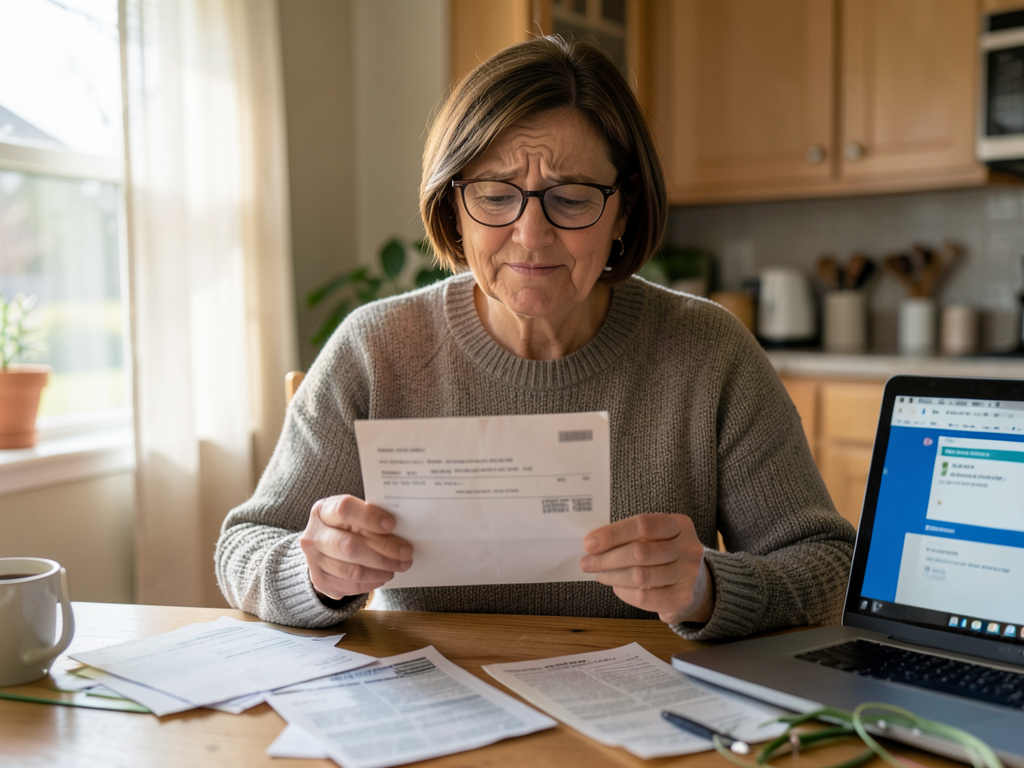
Step-by-Step Guide to Filing Your Claim
Step 1: Verify eligibility on the settlement FAQ page. Enter your email or SSN last four digits. If matched, download the claim form PDF.
Step 2: Gather evidence. Bank statements, police reports for fraud—anything tying losses to the breach. Use tools like LastPass to organize digital copies securely.
Step 3: Submit online or mail to the administrator, Gilardi & Co. Track status via email confirmations. Pro tip: File early to avoid server crashes near deadlines.
- Double-check for typos in personal info.
- Keep originals; copies suffice for upload.
- Contact support at 1-800-CLAIM-NOW if stuck.
Common Pitfalls in the Claim Process
Many overlook the 90-day window to report fraud to Progressive for full reimbursement. Forgetting this slashes your tier. Another error: Submitting incomplete forms, leading to 30% rejection rates in initial batches.
Filing multiple claims under variations of your name confuses the system. Always use your legal name. Scammers posing as admins have tricked 5% of filers—verify emails end in @progressivesettlement.com.
Avoid these by following the official guide. The progressive data breach settlement’s success hinges on accurate, timely submissions.
Comparing Progressive to Other Major Breaches
Take the Capital One breach of 2019: 100 million affected, $190 million settlement. Progressive’s is smaller in scale but higher per victim payout ratio—$10 per exposed record vs. Capital One’s $1.90. Lessons from Capital One improved Progressive’s response time.
Equifax’s 2017 mess settled for $425 million after years of litigation. Progressive moved faster, announcing terms in 18 months. Yet, both highlight vendor risks; Progressive’s third-party flaw echoes Equifax’s.
For more on Capital One parallels, see our deep dive here. These comparisons reveal industry patterns in the progressive data breach settlement context.
What to Expect After Filing
Preliminary approvals come in 30 days. If greenlit, funds disburse in 2027 batches. Delays could push to 2028 if appeals surge. Track via the portal dashboard.
Taxes apply—consult IRS Form 1099 for settlements over $600. Most use TurboTax’s breach-specific module. Denied claims get detailed reasons; 20% succeed on appeal with added proof.
Post-payout, activate your free monitoring. This phase tests the settlement’s true value in ongoing protection.
Protecting Yourself Post-Breach
Freeze your credit at Equifax, Experian, and TransUnion immediately—it’s free and blocks new accounts. Enable two-factor authentication everywhere, starting with your email.
Monitor statements weekly using apps like Mint. For businesses, implement zero-trust models with tools like Okta. Progressive victims get a discount on Aura’s all-in-one protection suite.
These steps minimize future risks, complementing the progressive data breach settlement’s remedies.
Lessons for Businesses from This Settlement
Small firms should audit vendors quarterly, using frameworks like NIST 800-53. Progressive’s lapse cost them $25 million—imagine that hit to your bottom line. Invest in endpoint detection like CrowdStrike Falcon, priced at $60 per device annually.
Train staff on phishing; simulations reduce success rates by 70%, per Proofpoint stats. The settlement’s mandates set a benchmark—adopt similar for compliance.
For IT pros, this underscores API security. Tools like Postman for testing can prevent exploits. Stay ahead to avoid your own data breach class action claim process nightmare.
Broader Implications for the Insurance Industry
Regulators now push for uniform breach reporting within 72 hours, inspired by Progressive. States like California expanded CCPA fines to $7,500 per violation. Expect more settlements as audits reveal hidden incidents.
Insurers are shifting to blockchain for data storage—Allstate piloted it in 2025, cutting breach risks 50%. Consumers gain from heightened scrutiny, but premiums may rise 2-3% to cover legal costs.
The progressive data breach settlement signals a tougher era. It empowers users while pressuring companies to prioritize security.
Resources for Data Breach Victims
Visit Top Class Actions for open settlements beyond Progressive. The FTC’s identitytheft.gov offers free recovery plans. For personalized advice, nonprofits like Identity Theft Resource Center provide hotlines.
Local consumer protection offices handle disputes. Track legislative changes via Cybersecurity & Infrastructure Security Agency alerts. These tools extend the progressive data breach settlement’s reach.
Stay informed—knowledge is your best defense.
Frequently Asked Questions
Am I Eligible for the Progressive Data Breach Settlement?
Yes, if you were a customer during the breach window and received a notice. Even without one, submit a query form on the site. Over 2.5 million qualify, but funds are finite.
How Much Can I Get from the Settlement?
Payouts range from $50 to $10,000 based on proof. Most average $300. Submit strong evidence for higher amounts; the total pot is $15 million for claims.
What Is the Data Breach Class Action Claim Process Like?
It’s online-heavy: Register, upload docs, wait for review. Takes 4-6 weeks initially. Appeals add time, but success rates hit 20% with fixes.
Can I Still Sue Progressive Separately?
Opt out by the deadline to pursue individual action. But class members release claims upon payout. Weigh costs—solo suits often net less after fees.
How Do I Prevent Future Breaches?
Freeze credit, use VPNs like ExpressVPN, and monitor with Have I Been Pwned. For businesses, adopt multi-factor auth across all accounts. Act now to stay safe.